- Home
- Workshop
- Kenya Workshop
- Tadoba Workshop
- Amboli Creative Workshop
- Munnar Workshop
- Ranthambore Workshop
- Panna workshop
- Kaziranga Workshop
- Pench Workshop
- Mangalajodi Workshop
- Bharatpur Workshop
- Kanha Workshop
- Bhigwan Workshop
- Goa Photography Workshop
- Satpura Workshop
- Pilibhit Workshop
- Costarica Workshop
- Tanzania Workshop
- Bandhavgarh Workshop
- About
- Fine Art Prints
- GRM Master Class
- Portfolio
Previous
Next
About the Expedition
Key Biodiversity Highlights of Spiti
Nestled in the trans-Himalayan region of Himachal Pradesh, Spiti Valley is a high-altitude cold
desert ecosystem renowned for its stark beauty, extreme climate, and unique biodiversity.
Often referred to as “The Middle Land” between India and Tibet, the valley lies at elevations
ranging from 10,000 to 15,000 feet, creating a fragile yet fascinating ecological zone.
Despite its harsh conditions, Spiti supports a remarkable range of wildlife specially adapted to
survive in extreme cold and low-oxygen environments. The region is globally recognized for
the presence of the elusive Snow Leopard, one of the most iconic and endangered predators
of the Himalayas. Alongside it, species such as the Himalayan Blue Sheep, Red Fox,
Himalayan ibex, and woolly hare form an integral part of this high-altitude ecosystem.
The valley’s landscape is characterized by vast barren mountains, deep gorges, alpine
meadows, and frozen rivers, offering diverse microhabitats that sustain its biodiversity.
Villages like Kibber, Langza, and Komic are not only among the highest inhabited settlements
in the world but also key zones for wildlife sightings and conservation efforts.
Spiti is also culturally rich, deeply influenced by Tibetan Buddhism, with ancient monasteries
coexisting harmoniously with nature. This balance between human settlement and wildlife
makes the region an important model for community-based conservation.
For photographers, researchers, and nature enthusiasts, Spiti Valley offers an unparalleled
opportunity to witness raw Himalayan wilderness. Its untouched landscapes, rare wildlife, and
pristine environment make it one of India’s most significant and awe-inspiring biodiversity
destinations.
Spiti Valley is best known for the elusive Snow Leopard, a top predator of the
trans-Himalayan ecosystem. Other key mammals include the Himalayan Blue Sheep,
Himalayan ibex, Red Fox, and woolly hare, all uniquely adapted to survive in extreme cold
and high-altitude conditions.
Despite its barren terrain, Spiti hosts notable bird species such as the Himalayan snowcock,
chukar partridge, golden eagle, and bearded vulture (lammergeier). These birds thrive in
rocky cliffs and open landscapes, making the region rewarding for birdwatchers.
Due to the cold desert climate and high altitude, reptile and amphibian diversity is limited.
However, a few cold-adapted species can be found in lower altitudes and near water sources
during the brief summer season.
Vegetation in Spiti is sparse but highly specialized. Alpine grasses, dwarf shrubs, and
medicinal plants dominate the landscape. Seasonal blooms during summer briefly transform
parts of the valley into vibrant patches of green and цвет.
Apart from the Snow Leopard, Spiti is home to rare species like the Himalayan wolf and
Eurasian lynx (occasionally sighted). These species make the valley a globally important
biodiversity hotspot.
The valley features a mix of high-altitude deserts, rocky cliffs, alpine meadows, and riverine
ecosystems. Villages like Kibber and Langza lie within key wildlife zones, offering close
proximity to natural habitats.
The park holds historical conservation importance as the first national park in India and the
first reserve under Project Tiger, playing a key role in tiger conservation and biodiversity
protection.
Spiti plays a crucial role in high-altitude conservation, particularly for the Snow Leopard.
Community-based conservation initiatives and wildlife tourism have helped reduce
human-wildlife conflict and support local livelihoods.s.
Spiti is accessible via road from Manali and Shimla during specific seasons. Its dramatic
landscapes, clear skies, and rare wildlife make it a paradise for photographers, especially for
snow leopard tracking and astrophotography.
Deeply influenced by Tibetan Buddhism, Spiti is home to ancient monasteries like Key
Monastery and Tabo Monastery. The region’s culture, traditions, and architecture add a rich
human dimension to its natural beauty, making it a unique blend of heritage and wilderness.
Inclusion
- All park fees are included
- Post processing workshop.
- On field guidance on framing, Composition & other aspects of photography.
- Presentation on various topics of photography.
- Services of a professional Driver/Guide.
- All Taxes/VAT
- Meals
- Drinking water throughout the Safari
Exclusion
- Flights/Trains(From/to home)
- Tips and Gratitude’s
- Personal expenses
- Extras at the Resort.
- Any item not mentioned in the Inclusions
Travel Date
- 19 Feb To 27 Feb 2027
Things to Carry
Camera
Lenses
Memory Cards
Batteries & Charger
Bean bag
Binocular
Winter Jacket
Sun Glasses
Sunscreen
Travelling
Chandigarh - By Road
Route
Chandigarh to Spiti
Start Point
Chandigarh Airport
End Point
Chandigarh Airport
Duration
9 days 8 nights
Recommended Photography Gear
Camera Bodies
• DSLR or Mirrorless Camera –
with good low-light performance and weather resistance.
• Telephoto Lens (800mm or above) –
essential for photographing elusive snow leopards
and distant wildlife.
• Wide-Angle Lens –
ideal for capturing dramatic Himalayan landscapes and village scenes.
Accessories
Extra batteries and memory cards Bean bag or monopod for stability in safari vehicles Lens cleaning kit for dust conditions
Itinerary
Morning:
Depart from Chandigarh in a comfortable Tempo Traveler and begin your scenic journey through the lower
Himalayas toward Rampur. (Participants are advised to arrive in Chandigarh a day prior for a smooth start.)
Afternoon:
Drive alongside the Sutlej River with planned photo stops and a relaxed lunch en route.
Evening:
Arrive in Rampur, check in to your hotel, attend a short orientation session, followed by dinner and overnight
stay.
Morning:
Start early and drive towards Kaza, passing through dramatic mountain roads and frozen valleys.
Afternoon:
Lunch break en route with opportunities to photograph stunning high-altitude landscapes and remote
Himalayan villages.
Evening:
Arrive in Kibber village, check into your homestay, and attend a detailed briefing on snow leopard tracking and
camera preparation. Dinner and overnight stay.
Morning:
Head out with expert local guides to track snow leopards and other Himalayan wildlife.
Afternoon:
Return for lunch followed by a hands-on workshop on camera handling and exposure techniques.
Evening:
Golden hour photography around Kibber, followed by image review and discussion over dinner.
Morning:
Early departure for wildlife tracking near Chichim Bridge, one of Asia’s highest suspension bridges.
Afternoon:
Explore and photograph dramatic landscapes and unique terrains around Chichim.
Evening:
Return to Kibber for dinner. Optional night photography session under the clear Spiti sky.
Morning:
Based on tracking updates, drive to Langza village, known for fossils, traditional homes, and the iconic
Buddha statue overlooking the valley.
Afternoon:
Photography sessions focusing on landscapes and village life.
Evening:
Return to Kibber for dinner and review of the day’s captures.
Morning:
Explore prime snow leopard zones with professional spotters for wildlife photography.
Afternoon:
Lunch break followed by an interactive session on composition, framing, and storytelling.
Evening:
Capture sunset over the Spiti peaks. End the day with discussions and advanced learning sessions by the
fireplace.
Morning:
Final wildlife tracking and photography session.
Afternoon & Evening:
Relaxed schedule with optional shoots. Conclude with a special farewell dinner, sharing experiences and
highlights of the expedition.
Morning:
Begin descent from Kibber, witnessing the transition from snow landscapes to greener valleys.
Afternoon:
Lunch at a local café with final landscape photography opportunities.
Evening:
Arrive in Rampur, dinner, and overnight stay.
Morning:
After breakfast, drive back to Chandigarh.
Afternoon:
Enjoy scenic views and lunch en route.
Evening:
Arrival in Chandigarh, marking the end of your unforgettable Spiti Snow Leopard Photography Expedition.
Learning during Wildlife Photography Workshops
As a wildlife photographer and mentor, I aim to provide a comprehensive, hands-on learning experience during my workshops.
Here’s a detailed breakdown of the key field learning opportunities participants can expect:
Mastering Camera Settings
– Optimal use of manual modes for wildlife photography in varying light conditions.
– Techniques to freeze or blur motion effectively (e.g., capturing birds in flight).
– Balancing ISO, aperture, and shutter speed for sharp and detailed images.
Composition and Framing
– Rule of thirds, leading lines, and creative framing for impactful shots.
– Utilizing foreground, background, and negative space to create depth.
– Approaches to storytelling through composition, focusing on emotions and actions.
Working with Natural Light
– Best practices for shooting during golden and blue hours.
– Managing harsh sunlight, shadows, and contrast in outdoor settings.
Gear Handling and Maintenance
– Tips for safely handling cameras and lenses in rugged terrains.
– Cleaning and protecting equipment from dust, moisture, and unexpected weather.
– Proper use of tripods, monopods, and beanbags for stability.
Photography Essentials
– Techniques for capturing birds in flight or perched in dynamic poses.
– Using high shutter speeds and continuous autofocus for action shots.
– Identifying ideal habitats for rare and exotic bird species.
Post-Processing Insights
– Editing techniques using various apps like Photoshop & Lightroom.
– Understanding RAW image workflows and their importance in wildlife photography.
– Enhancing colors, contrasts, and clarity while maintaining authenticity.
Understanding Animal Behavior
Understanding Animal Behavior
– Learn to anticipate animal movements by observing body language, habitats, and behavioral patterns.


Important Points
- TOUR ONCE BOOKED ARE NON-REFUNDABLE
- WE ACCEPT THE PACKAGE COST IN INR ONLY
- WE HAVE THE VERY BEST DRIVERS AND GUIDES WHO TAKES US INSIDE THE PARK.
- FOR RESERVATION YOU HAVE TO PAY THE ADVANCE AMOUNT.
- ORIGINAL ID CARDS ARE MUST FOR ENTRY INSIDE THE PARK.
- FOLLOW THE ROUTE INSTRUCTION GIVEN BY THE FOREST OFFICIALS.
- NOISE PRODUCING EQUIPMENT ARE NOT ALLOWED INSIDE THE PARK.
Workshop Cost
- 94,999 + 5% GST
Per Participants
- Note:
● Cost allocated based on 3 participants in a Zypsy
● Costing is based on the availability of Resorts & tariffs.
● Costing may vary in case there is any mid term price change either by Resort/Park.

- 50% as booking amount
- 50% before 30 days of the Expedition.
Why Choose My Workshops
Personalized Mentorship
Personalized Mentorship:Tailored guidance based on each participant's skill level and gear.
Exclusive Experiences
Exclusive Experiences: Access to unique wildlife destinations and rare opportunities for sightings.
Lifelong Learning
Lifelong Learning: Practical skills that extend beyond the workshop into independent photography ventures.
Tanzania Photography
Join us on an extraordinary learning tour to Tanzania, a journey filled with unparalleled experiences.
Previous
Next
About the Expedition
Key Biodiversity Highlights of Tanzania
Tanzania is one of Africa’s most biodiverse safari destinations, offering extraordinary wildlife experiences
across iconic parks such as Serengeti National Park, Ngorongoro Crater, and Tarangire National Park. These
protected landscapes support large populations of the African Big Five including African Elephant, Lion,
Leopard, African Buffalo, and the endangered Black Rhinoceros. The country is also famous for the
spectacular Great Migration, where millions of Blue Wildebeest and Plains Zebra move across the Serengeti
plains, attracting predators such as cheetahs, lions, and hyenas. Along with rich birdlife including species like
the Lilac-breasted Roller, Tanzania’s diverse ecosystems —from vast savannas and volcanic craters to baobab
woodlands and lakes—create one of the world’s most remarkable destinations for wildlife viewing and
photography.
The Serengeti is globally famous for its abundant large mammals and spectacular predator–prey dynamics. It
hosts the legendary African Big Five including Lion, African Elephant, Leopard, African Buffalo, and the
endangered Black Rhinoceros. The park is also known for massive herds of Blue Wildebeest and Plains Zebra
that migrate across the plains each year.
Serengeti supports more than 500 bird species, making it a remarkable destination for birdwatchers and
photographers. Common sightings include the colorful Lilac-breasted Roller, the large Kori Bustard, and the
striking Secretarybird. Wetlands and rivers attract numerous raptors, storks, and waterbirds.
Although best known for mammals, the Serengeti also hosts diverse reptiles and amphibians. Species such as
the Nile Crocodile inhabit the rivers, while the African Rock Python can occasionally be spotted in rocky
outcrops and grasslands. Seasonal wetlands support various frogs and smaller reptiles.
The park’s vegetation is dominated by vast savanna grasslands, interspersed with iconic acacia woodlands
and scattered kopje formations. Trees such as the Umbrella Thorn Acacia and the majestic African Baobab
provide habitat and shade for wildlife while shaping the classic Serengeti landscape.
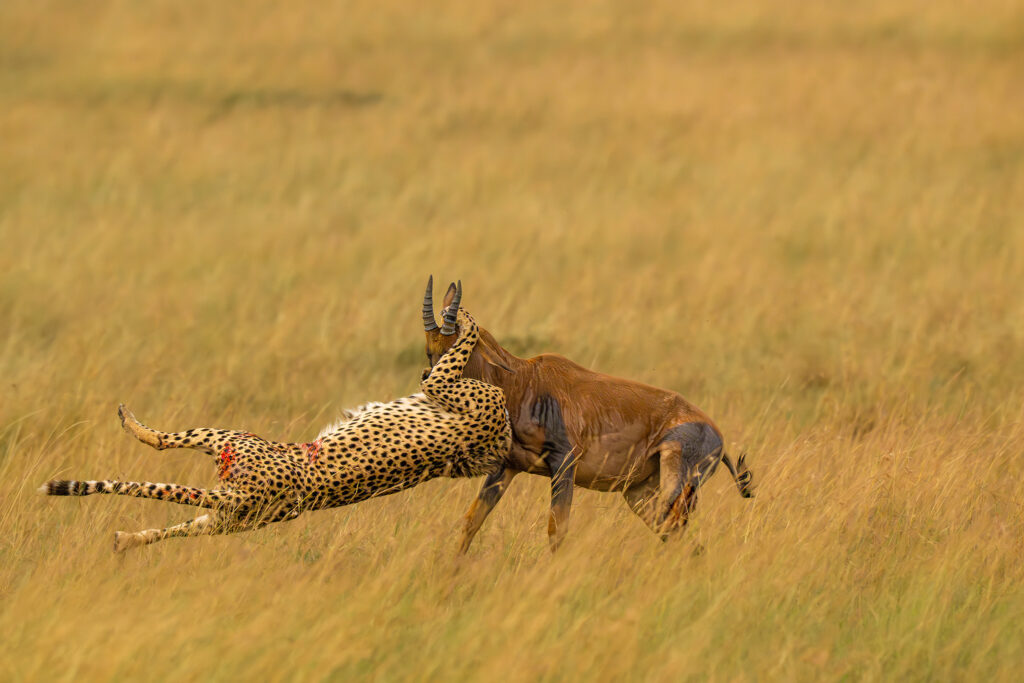
Apart from the Big Five, Serengeti shelters several rare and fascinating animals including the swift Cheetah,
the endangered African Wild Dog, and large clans of Spotted Hyena. The region is also known for excellent
sightings of elusive leopards and large lion prides.
Serengeti’s ecosystems include open savannas, riverine forests, seasonal wetlands, and rocky
kopjes—ancient granite outcrops that serve as lookout points for predators and shelter for smaller animals.
These diverse habitats support one of the most intact wildlife ecosystems on Earth.
Established in 1951, Serengeti National Park is a UNESCO World Heritage Site and a cornerstone of African
wildlife conservation. It forms part of the larger Serengeti ecosystem connected to Ngorongoro Conservation
Area and Kenya’s Maasai Mara National Reserve, protecting one of the planet’s last great wildlife migrations.
The Serengeti is one of the world’s best destinations for wildlife photography, offering open landscapes, high
wildlife density, and dramatic predator interactions. Access is possible via small aircraft to airstrips within the
park or by road safari from nearby parks such as Ngorongoro Crater. The vast plains, golden light, and
abundant wildlife create exceptional photographic conditions.
The Serengeti region has long been home to the semi-nomadic Maasai people, whose culture and traditions
are closely tied to the landscape and wildlife. The park’s name comes from the Maasai word “Siringet,”
meaning “endless plains,” perfectly describing its sweeping savanna horizons.
Tour Inclusion
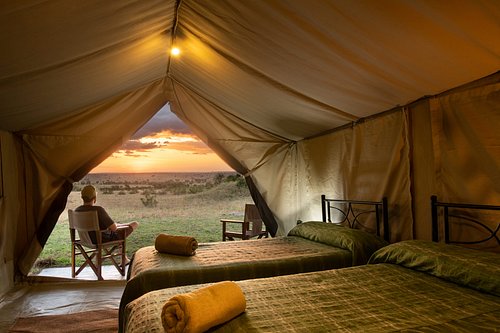
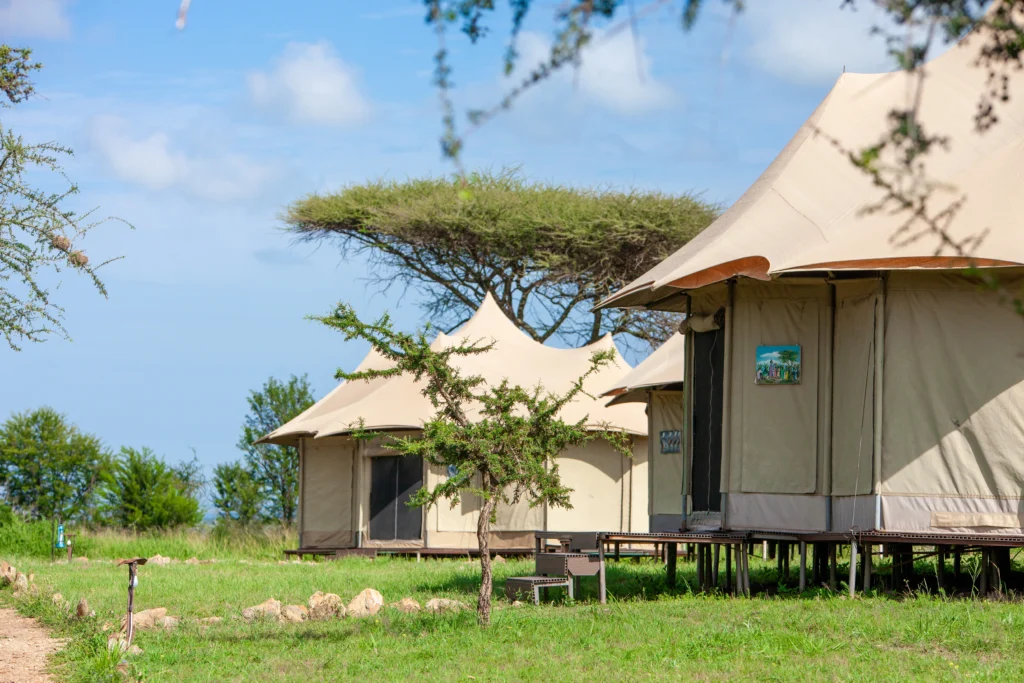
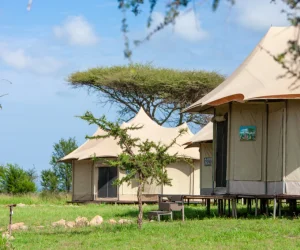
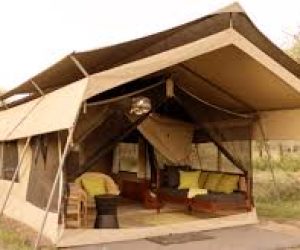
- All accommodation as specified in the itinerary (Arusha Planet Lodge, Tanzania Bush Camps Central, Tanzania Mara Bush Camp, Ang’ata Ngorongoro Camp)
- Meals as mentioned (Half Board in Arusha, Full Board on safari)
- Private 4x4 extended safari vehicle with open roof for photography
- Professional English-speaking photographic driver-guide
- All national park entry fees & concession fees
- Airport transfers on arrival and departure
- Unlimited mileage on game drives for maximum photographic opportunities
Exclusion
- International flights to/from Tanzania
- Travel insurance and health insurance
- Tips & gratuities for guide and lodge staff
- Alcoholic & soft drinks at lodges unless included in meal plan
- Personal expenses (laundry, phone, souvenirs, etc.)
- Additional activities not listed in the program
Travel Date
2026
- 16 - 26 September
Things to Carry
Camera
Lenses
Memory Cards
Batteries & Charger
Bean bag
Binocular
Winter Jacket
Valid Passport
Flight Tickets & Booking Receipts
Sun Glasses
Visa
Emergency Contact List
Sunscreen
Vaccination Certificate
ID Proof & Passport Photocopies
Travelling
Kilimanjaro - By Road
Route
Kilimanjaro to Kilimanjaro
Start Point
Kilimanjaro Airport
End Point
Kilimanjaro Airport
Duration
7 Days / 8 Nights
Equipment recommendations
Participants should bring a modern Full frame mirrorless camera designed for wildlife photography.(Nikon Z9 or
Z8, Canon R3 or R5)
Camera Bodies
DSLR or mirrorless camera with full manual controls (highly recommended)
Ability to shoot in RAW format
Good high ISO performance (important for low-light wildlife scenes)
Fast autofocus system for moving subjects
Dual card slots preferred for backup
Carry at least one backup camera body if possible
Best Body to Carry-Nikon Z9,Z8/ Canon R5,R6,R3 /Sony AII
Essential Lenses
1. Telephoto Lens (Most Important)
Recommended range: 200mm – 600mm
Ideal for wildlife photography (safaris)
Examples of useful ranges:
100–400mm
150–600mm
200–500mm
400mm f2.8 Prime
2. Mid-Range Zoom Lens
Recommended range: 24mm – 105mm (or similar)
Useful for:
Environmental portraits
Lodge and camp photography
General travel scenes
3. Wide-Angle Lens
Recommended range: 14mm – 35mm
Ideal for:
Landscapes
Night skies and astrophotography
Dramatic safari environments
4. Fast Prime Lens (Optional but Recommended)
Examples: 35mm / 50mm / 85mm (f/1.8 or faster)
Useful for:
Low-light situations
Creative depth-of-field shots
Portraits
Accessories
Extra batteries (minimum 2–3 per camera)
Multiple high-speed memory cards
External hard drive or SSD for backups
Card reader
Cleaning kit (dust is common in safari environments)
Rain/dust protection covers
Support & Carry Gear
Comfortable camera backpack
Bean bag (very useful for vehicle-based wildlife shooting)
Additional Gear (Optional)
Teleconverter (1.4x or 2x) for extra reach
Laptop for editing and daily backups
Power bank or portable charging solution
Important Notes
Dust protection is critical—carry sealed bags or covers
Avoid changing lenses in open dusty environments
Weight limits for internal flights may apply—pack efficiently
Practice using your gear before the workshop
Itinerary
• Upon arrival at Kilimanjaro International Airport (JRO), you will be warmly welcomed by your
professional safari driver-guide. From the airport, you will transfer to Arusha, a scenic drive of about 1
hour (55 km). After checking in at Arusha Planet Lodge, you will have time to relax and recover from your
journey. In the evening, enjoy a delightful dinner under the African sky, setting the perfect tone for the
exciting safari adventure ahead.
• Overnight: Arusha Planet Lodge | Meal Plan: BB.
• After breakfast in Arusha, we depart for Serengeti National Park, traveling through the scenic Ngorongoro
Highlands. En route, we pass through the Ndutu region and enjoy a short game drive (1–2 hours)
depending on time. Although wildlife concentrations are typically higher here from December to March, the
area still offers chances to spot scattered herds and enjoy the beautiful savanna landscapes. In the
afternoon, we continue toward the Seronera region in Central Serengeti, well known for its resident
predators including Lion, Cheetah, and Leopard, followed by an afternoon game drive. Later we proceed
to Tanzania Bush Camps – North Mara Kogatende for dinner and overnight stay.
• Meal Plan: DBBL | Travel Time: approximately 8 hours by road.
• Start the day with an early morning game drive across the vast plains of Serengeti National Park, when
wildlife is most active and the golden sunrise creates perfect conditions for photography. After exploring the
savanna and observing animals beginning their daily routines, return to the camp for lunch and some time
to relax. In the afternoon, head out again for another exciting game drive, or choose a full-day safari with
a picnic lunch to fully immerse yourself in the wilderness experience. Later, return to Tanzania Bush
Camps – North Mara Kogatende for dinner and overnight stay.
• Meal Plan: DBBL | Approx. Travel Distance: 155 km (about 4 hours including game drives).
• In the morning, enjoy wildlife viewing while traveling through Serengeti National Park toward the northern
Serengeti near the famous Mara River. This region is one of the best locations to witness the spectacular
migration of Blue Wildebeest and Plains Zebra, often accompanied by intense predator activity. Spend the
day around the Mara River focusing on photographing dramatic migration scenes, river crossings, and the
rich wildlife of the northern Serengeti. Later, return to Tanzania Bush Camps – North Mara Kogatende for
dinner and overnight stay.
• Meal Plan: DBBL | Travel Distance: approximately 155 km (about 4 hours) including game drives.
• In the morning, depart on a scenic drive through Serengeti National Park toward the Central Serengeti,
passing traditional villages of the Maasai people and sweeping savanna landscapes. Along the way, stop
for a picnic lunch surrounded by the vast and untamed beauty of Tanzania’s open plains. In the evening,
enjoy an exciting game drive in the heart of the Serengeti, where wildlife such as Lion, African Elephant,
and herds of Blue Wildebeest roam freely across the golden grasslands. Later, arrive at Tanzania Bush
Camp for dinner and overnight stay.
• Meal Plan: DBBL | Travel Time: ~4 hours (155 km, paved road).
• After breakfast, depart from Serengeti National Park and enjoy a scenic drive across rolling plains and
traditional villages of the Maasai people toward the spectacular Ngorongoro Conservation Area (145 km /
approx. 3.5 hours). During the day, descend into the magnificent Ngorongoro Crater, a UNESCO World
Heritage Site renowned for its dense wildlife populations, where you may encounter species such as Lion,
African Elephant, the endangered Black Rhinoceros, and flocks of flamingos around the crater lakes. In the
evening, ascend to your lodge on the crater rim to relax and enjoy panoramic views as the sun sets over
this remarkable natural wonder.
• Overnight: Ang’ata Ngorongoro Camp | Meal Plan: DBBL.
• In the morning, depart for the spectacular Ngorongoro Crater, the crown jewel of the Ngorongoro
Conservation Area and one of Africa’s most breathtaking natural wonders (approx. 190 km / 4 hours).
Enjoy an unforgettable safari inside the crater, which hosts a remarkable concentration of wildlife including
Lion, African Elephant, Plains Zebra, and the endangered Black Rhinoceros. Later in the day, ascend from
the crater and continue toward Arusha, where you can relax and unwind at Arusha Planet Lodge,
enjoying the peaceful surroundings after an exciting safari experience.
• Overnight: Arusha Planet Lodge | Meal Plan: BB.
• Morning: Enjoy your final breakfast in Tanzania, soaking in the serene views one last time.
• Departure: Transfer to Kilimanjaro International Airport for departure.
• Travel Time: 1 hour| Distance: 55 kms
• END OF SAFARI!
Learning during Wildlife Photography Workshops
As a wildlife photographer and mentor, I aim to provide a comprehensive, hands-on learning experience during my workshops.
Here’s a detailed breakdown of the key field learning opportunities participants can expect:
Mastering Camera Settings
– Optimal use of manual modes for wildlife photography in varying light conditions.
– Techniques to freeze or blur motion effectively (e.g., capturing birds in flight).
– Balancing ISO, aperture, and shutter speed for sharp and detailed images.
Composition and Framing
– Rule of thirds, leading lines, and creative framing for impactful shots.
– Utilizing foreground, background, and negative space to create depth.
– Approaches to storytelling through composition, focusing on emotions and actions.
Working with Natural Light
– Best practices for shooting during golden and blue hours.
– Managing harsh sunlight, shadows, and contrast in outdoor settings.
Gear Handling and Maintenance
– Tips for safely handling cameras and lenses in rugged terrains.
– Cleaning and protecting equipment from dust, moisture, and unexpected weather.
– Proper use of tripods, monopods, and beanbags for stability.
Photography Essentials
– Techniques for capturing birds in flight or perched in dynamic poses.
– Using high shutter speeds and continuous autofocus for action shots.
– Identifying ideal habitats for rare and exotic bird species.
Post-Processing Insights
– Editing techniques using various apps like Photoshop & Lightroom.
– Understanding RAW image workflows and their importance in wildlife photography.
– Enhancing colors, contrasts, and clarity while maintaining authenticity.
Understanding Animal Behavior
Understanding Animal Behavior
– Learn to anticipate animal movements by observing body language, habitats, and behavioral patterns.
Important Points
- Tours are non-refundable once booked
- Payment in USD only, please
- Our expert drivers and guides will take care of you inside the park
- Advance payment required to reserve spot
- Don't forget original ID cards for entry
- Follow forest officials' route instructions
- Keep noise levels down, no loud equipment allowed
Workshop Cost
- $ 4511 USD
Per Participants
Note:
- Cost allocated based on 4 participants in a Zypsy
- Costing is based on the availability of Resorts & tariffs.
- Costing may vary in case there is any mid term price change either by Resort/Park.
- 50% as booking amount
- 50% before 30 days of the Expedition.
Why Choose My Workshops
Personalized Mentorship
Personalized Mentorship:Tailored guidance based on each participant's skill level and gear.
Exclusive Experiences
Exclusive Experiences: Access to unique wildlife destinations and rare opportunities for sightings.
Lifelong Learning
Lifelong Learning: Practical skills that extend beyond the workshop into independent photography ventures.
Now accepting bookings
request a quote
Step into the untouched beauty of Masai Mara, where every sunrise paints a canvas of breathtaking scenes.
As the golden sun graces the vast savannah, witness the iconic acacia trees silhouetted against the dawn. The sweeping grasslands become a stage for the majestic wildlife, from the graceful giraffes to the powerful lions. The Mara River flows serenely, providing a lifeline to the thriving ecosystem, while dotted plains offer a mesmerizing panorama of nature’s grandeur.
Private Lessons
In-Studio and Virtual Private Lessons are the best way to improve your dancing skills in the shortest period of time. Work at your own pace and receive personalized attention from our dedicated instructors.
Instructors
Every year, 810 Dance Floor Studio brings the world’s most relevant talents and choreographers to mentor our students.
Students Shout Out
“ I’m a total beginner dancer and I felt immediately like part of the dance family.”


Studio A
Studio Size: 42ft x 21ft
Amenities: Air Conditioning, Wi-Fi, Sound System, Dressing Room, Kitchen, Toilets
Embark on a visual journey with me, Gyana Mohanty, where every image is a doorway to the extraordinary. Let the magic of the wild unfold before your eyes!