Corbett Photography
Join us on an extraordinary learning tour to Corbett, a journey filled with unparalleled experiences.
Previous
Next
About the Expedition
Key Biodiversity Highlights of Corbett
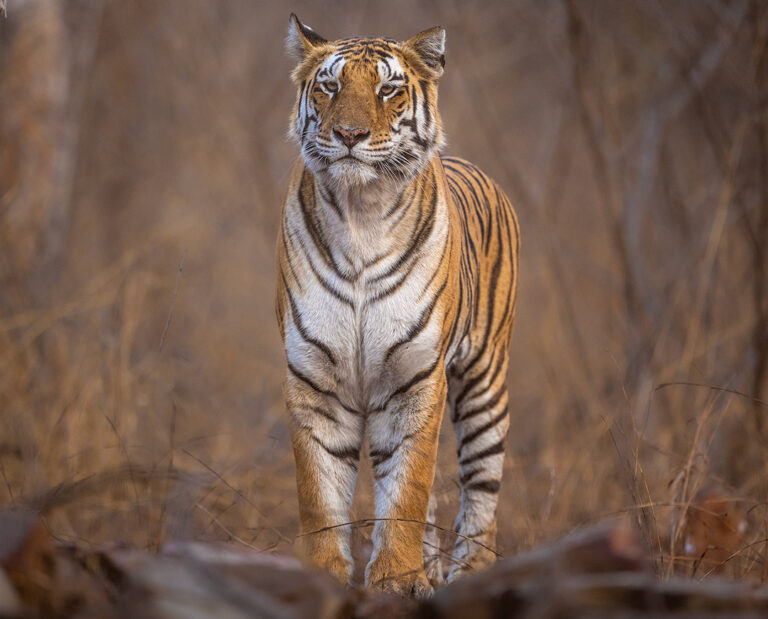
Jim Corbett National Park is one of India’s richest biodiversity landscapes, known for its healthy population of the iconic Bengal Tiger and as the first reserve under Project Tiger.
The park supports more than 50 mammal species including the Asian Elephant, Leopard, and Sambar Deer, along with over 600 bird species, making it a premier birdwatching destination.
Its ecosystem is shaped by the Ramganga River, which sustains aquatic wildlife such as the endangered Gharial and Mugger Crocodile.
With diverse habitats including dense Sal Tree forests, riverine belts, wetlands, and open grasslands, the park supports an extraordinary range of flora and fauna, making it one of the most significant wildlife conservation areas in India.
Iconic Mammals
The park is famous for its population of the majestic Bengal Tiger and also supports other large mammals such as the Asian Elephant, Leopard, Sloth Bear, Sambar Deer, and Chital. These species thrive in the park’s dense forests and grasslands, making it one of the best wildlife destinations in India.
Avian Diversity
With more than 600 species of birds, the park is a major birdwatching hotspot. Notable birds include the Great Hornbill, Crested Serpent Eagle, Pallas’s Fish Eagle, Black Stork, and Red
Junglefowl.
Reptiles and Amphibians
The park has a diverse reptile population including the endangered Gharial and the Mugger Crocodile. Various species of turtles, snakes, frogs, and lizards are also found, especially near riverine ecosystems.
Unique Flora
The vegetation is dominated by dense forests of the Sal Tree along with bamboo groves, grasses, and riverine plants. More than 500 plant species have been recorded in the park.
Rare and Notable Species
Apart from tigers and elephants, the park hosts rare wildlife such as the Otter, Fishing Cat, and migratory birds that visit during winter, adding to its ecological significance.
Unique Habitats
The landscape includes a mix of sal forests, riverine belts, marshy depressions, and open grasslands known as chaurs, all nourished by the Ramganga River, which supports a rich aquatic ecosystem.
Conservation Highlights
The park holds historical conservation importance as the first national park in India and the first reserve under Project Tiger, playing a key role in tiger conservation and biodiversity protection.
Accessibility and Photography Opportunities
Located near the town of Ramnagar, the park is easily accessible and offers multiple safari zones. Its open grasslands, riverbanks, and forest trails make it one of the best places in India for wildlife photography.
Cultural and Historical Significance
The park is named after the legendary hunter-turned-conservationist Jim Corbett. Established in 1936 as Hailey National Park, it holds a significant place in India’s wildlife conservation history.
Inclusion
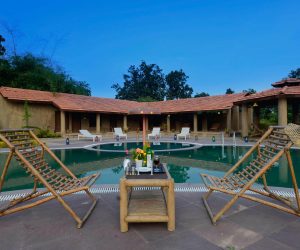
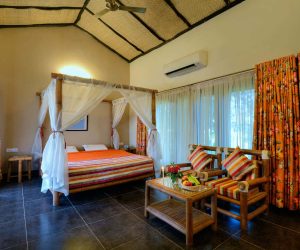
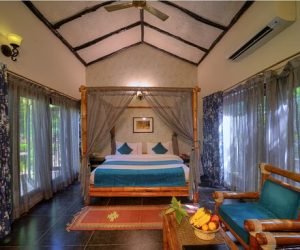
- Accommodation for 2 nights in Dhikala rest house & 1 night in Jhirna rest house
- 4 times jeep safari in Dhikala zone
- 2 times jeep safari in Jhirna zone
- Pick up & drop from Delhi (One Innova)
- Vehicle cost, Entry fees, Guide Fees, vehicle entry fees, and permit charges
- Housekeeping, Camping, and clearance charges
- charges Gypsy Driver’s Meals and all government formalities
- All taxes
Exclusion
- Anything not mentioned in the inclusions
- Meals at Dhikala & Jhirna FRH
- Meals at Dhikala & Jhirna FRH
Travel Date
- 7 May To 10 May 2027
Things to Carry
Camera
Lenses
Memory Cards
Batteries & Charger
Bean bag
Binocular
Winter Jacket
Sun Glasses
Sunscreen
Travelling
Jim Corbett - By Road
Route
Delhi to Jim Corbett
Start Point
Delhi
Airport
End Point
Delhi
Airport
Duration
4 days
3 nights
Equipment recommendations
Camera Bodies - Full-Frame DSLR or Mirrorless.
These cameras perform well in low light and provide excellent image quality and dynamic range.
Suggested Models:
● Canon EOS R5, R6, R3 or Full frame DSLRs
● Nikon Z9,Z8,Z7 II, Z6 III, or Full frame DSLRs
● Sony A7R IV, A1, A9
Lenses - Telephoto Zoom Lenses (for distant wildlife/Birds)
Essential for shooting animals or birds at a distance while maintaining detail and sharpness.
Suggested Options:
● Canon RF 100-500mm f/4.5-7.1L IS USM.
● Nikon 180-600mm f/5.6-6.3 ED VR.
● Sony 200-600mm f/5.6-6.3 G OSS.
● Sigma or Tamron 150-600mm f/5-6.3 (for Canon, Nikon, and Sony).
Lenses - Prime Telephoto Lenses (for sharper images and faster aperture)
Ideal for low-light conditions or when you need a fast shutter speed.
Suggested Options:
Canon, Nikon, Sony 400mm f/2.8L
Lenses - For landscapes and environmental wildlife shots
For capturing the broader scene or large animals in their environment.
Suggested Options:
● Canon RF 15-35mm f/2.8L IS USM - Nikon Z 14-30mm f/4 S
● Sony 16-35mm f/2.8 GM
● 70-200mm f/2.8
Additional Accessories
1. Beanbags – For stability when using heavy telephoto lenses.
2. Rain Covers – For camera and lens protection in unpredictable weather.
3. Lens Cleaning Kits – To maintain clarity in outdoor environments.
4. Extra Batteries and Memory Cards
Itinerary
● Arrive at Delhi Airport at 7:00 PM
● Stay at Delhi(own cost)
● Depart by Innova for Ramnagar (5am – 11am)
● Reach Dhikala Guest House by 12 PM
● Afternoon Safari in Dhikala
● Overnight stay at Dhikala
● Morning Safari in Dhikala
● Afternoon Safari in Dhikala
● Overnight stay at Dhikala
● Morning Safari in Dhikala
● Check-out from Dhikala
● Proceed to Jhirna
● Afternoon Safari in Jhirna
● Overnight stay at Jhirna
● Morning Safari in Jhirna
● Check-out from Jhirna
● Continue journey from Ramnagar to Delhi (11 AM – 5 PM)
Learning during Wildlife Photography Workshops
As a wildlife photographer and mentor, I aim to provide a comprehensive, hands-on learning experience during my workshops.
Here’s a detailed breakdown of the key field learning opportunities participants can expect:
Mastering Camera Settings
– Optimal use of manual modes for wildlife photography in varying light conditions.
– Techniques to freeze or blur motion effectively (e.g., capturing birds in flight).
– Balancing ISO, aperture, and shutter speed for sharp and detailed images.
Composition and Framing
– Rule of thirds, leading lines, and creative framing for impactful shots.
– Utilizing foreground, background, and negative space to create depth.
– Approaches to storytelling through composition, focusing on emotions and actions.
Working with Natural Light
– Best practices for shooting during golden and blue hours.
– Managing harsh sunlight, shadows, and contrast in outdoor settings.
Gear Handling and Maintenance
– Tips for safely handling cameras and lenses in rugged terrains.
– Cleaning and protecting equipment from dust, moisture, and unexpected weather.
– Proper use of tripods, monopods, and beanbags for stability.
Photography Essentials
– Techniques for capturing birds in flight or perched in dynamic poses.
– Using high shutter speeds and continuous autofocus for action shots.
– Identifying ideal habitats for rare and exotic bird species.
Post-Processing Insights
– Editing techniques using various apps like Photoshop & Lightroom.
– Understanding RAW image workflows and their importance in wildlife photography.
– Enhancing colors, contrasts, and clarity while maintaining authenticity.
Understanding Animal Behavior
Understanding Animal Behavior
– Learn to anticipate animal movements by observing body language, habitats, and behavioral patterns.
- Tour once booked are non-refundable
- We accept the package cost in inr only
- we have the very best drivers and guides who takes us inside the park
- For reservation you have to pay the advance amount
- Original id cards are must for entry inside the park
- Follow the route instruction given by the forest officials
- Noise producing equipment are not allowed inside the park
- 69999 + 5%
GST Per Participant
Note:
- Cost allocated based on 4 participants in a Zypsy
- Costing is based on the availability of Resorts & tariffs.
- Costing may vary in case there is any mid term price change either by Resort/Park.

- 50% as booking amount
- 50% before 30 days of the Expedition.
Personalized Mentorship
Tailored guidance based on each participant's skill level and gear.
Exclusive Experiences
Access to unique wildlife destinations and rare opportunities for sightings.
Lifelong Learning
Practical skills that extend beyond the workshop into independent ventures
Embark on a visual journey with me, Gyana Mohanty, where every image is a doorway to the extraordinary. Let the magic of the wild unfold before your eyes!