- Home
- Workshop
- Kenya Workshop
- Tadoba Workshop
- Amboli Creative Workshop
- Munnar Workshop
- Ranthambore Workshop
- Panna workshop
- Kaziranga Workshop
- Pench Workshop
- Mangalajodi Workshop
- Bharatpur Workshop
- Kanha Workshop
- Tal Chhapar Workshop
- Bhigwan Workshop
- Goa Photography Workshop
- Wayanad Workshop
- Satpura Workshop
- Pilibhit Workshop
- About
- Fine Art Prints
- GRM Master Class
- Portfolio
Amboli Photography
Join us on an extraordinary learning tour to Amboli, a journey filled with unparalleled experiences.
Previous
Next
About the Expedition
Key Biodiversity Highlights of The Amboli Expedition
Dive into the lush biodiversity of the Amboli Rainforest in Maharashtra, an ideal destination for macro photography enthusiasts.
Known as the “Cherrapunji of Maharashtra,” Amboli boasts a stunning array of flora and fauna, including endemic frogs, insects, and reptiles.
This workshop is designed to enhance your macro photography skills while exploring one of India’s richest biodiversity hotspots.
– Amboli is famous for its amphibian diversity, particularly endemic species.
– Amboli Bush Frog (Raorchestes amboli): A critically endangered frog species named after the region.
– Malabar Gliding Frog (Rhacophorus malabaricus): Known for its ability to glide between trees.
– Beddome’s Night Frog (Nyctibatrachus beddomii): Found in forest streams.
– Indian Bullfrog (Hoplobatrachus tigerinus): Vibrant during the breeding season.
– Amboli’s dense forests and streams are home to fascinating reptile species.
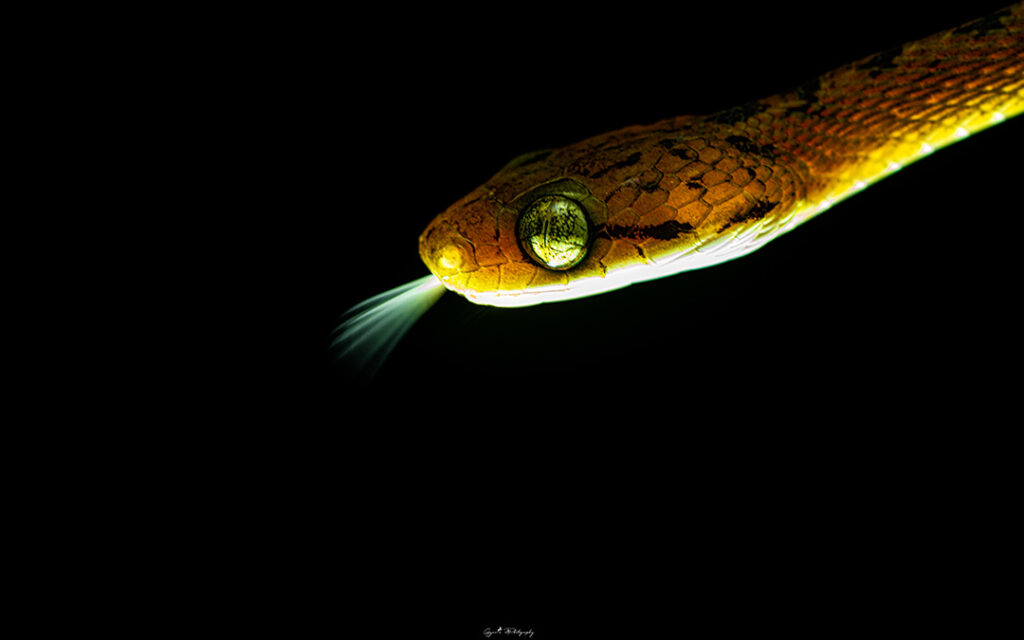
– Malabar Pit Viper (Trimeresurus malabaricus) : A common sight, found in various color morphs.
– Bamboo Pit Viper (Trimeresurus gramineus): Another arboreal snake often spotted during trails.
– Green Vine Snake (Ahaetulla nasuta): Known for its slender body and leaf-like appearance.
– Indian Chameleon (Chamaeleo zeylanicus): Occasionally sighted in the region.
– The rainforest hosts an extraordinary variety of insects, many of which are endemic.
– Dragonflies and Damselflies: Species like the Malabar Torrent Dart and Bronze-backed Glider are commonly seen.
– Butterflies: The Southern Birdwing (India’s largest butterfly), Blue Mormon, and Tamil Yeoman are notable.
– Moths: The Atlas Moth, one of the largest moths in the world, is a rare sight here.
– Beetles and Bugs: Jewel beetles and cicadas add to the forest’s acoustic and visual diversity.
– The rainforest’s lush greenery supports an array of plant species, many of which are endemic or medicinal.
– Myristica Swamps: Unique ecosystems dominated by Myristica trees, which are rare and critical to the forest.
– Epiphytes: Orchids and ferns thrive in the moist environment.
– Medicinal Plants: Tulsi ( Ocimum spp.), Ashwagandha ( Withania somnifera ), and others are found here.
Amboli’s damp forest floor nurtures diverse fungi, crucial for ecological balance:
Bracket Fungi – Found on decaying logs, aiding decomposition.
Reishi Mushrooms ( Ganoderma lucidum) – also known as Lingzhi, are found growing on dead wood. These are commonly used in traditional medicines in Asia.
Lichens and Mosses – Cover rocks and tree trunks, indicating pristine air quality.
Inclusion
- Road Transport from Sawantwadi to Sawantwadi Airport/ staion.
- All park fees are included
- Post processing workshop.
- On field guidance on framing, Composition & other aspects of photography.
- Presentation on various topics of photography.
- Services of a professional Driver/Guide.
- All Taxes/VAT
- Meals
- Drinking water throughout the Safari
Exclusion
- Flights/Trains(From/to home)
- Tips and Gratitude’s
- Personal expenses
- Extras at the Resort
- Any item not mentioned in the Inclusions
Travel Date
( 2026 )
- 02 - 04 July 2026
Things to Carry
Camera Body
Macro Lense
Memory Cards
Batteries & Charger
Medicine
Torch
Silicagel
Flash
Umbrella
Diffuser
Poncho/Raincoat
Id proof
Gum boot
Camera lens cover
Leech socks
Travelling
Sawantwadi -By Road
Route
Sawantwadi to Sawantwadi
Start Point
Sawantwadi Airport/Station
End Point
Sawantwadi Airport/Station
Duration
2 nights 3 day
Gear Recommendations
For Sawantwadi photography Workshops, here are my equipment recommendations for participants to capture stunning images in the wild:
Photography Equipment
1. Camera Body: DSLR or Mirrorless with manual controls.
2. Lenses:
- Macro lens (100mm or similar).
- Wide-angle lens (optional, for environmental shots).
3. Tripod : Lightweight and sturdy for stability during night photography.
4. Flash:
- External flash with diffusers.
- Ring or twin flash for close-up work.
5. Accessories:
- Remote shutter release or timer.
- Extra batteries and memory cards.
Other Essentials
1. Clothing:
- Comfortable, quick-dry clothes in muted colors.
- Rain jacket or poncho.
2. Footwear:
- Waterproof trekking shoes with good grip.
3. Safety Gear:
- Headlamp or torch (with extra batteries).
- First-aid kit.
4. Additional Items:
- Insect repellent.
- Notebook and pen for notes.
- Reusable water bottle.
Itinerary
– Afternoon:
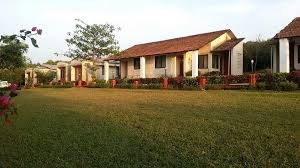
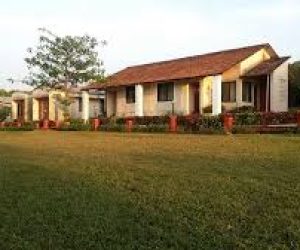
– Arrival at Amboli at 11am. Check-in at a cozy eco-lodge surrounded by greenery.
– Welcome session and an overview of the workshop itinerary.
– Introduction to macro photography techniques, equipment, and safety guidelines.
– Evening:
– A short trail at around 2.30pm to explore the rainforest and practice initial shots.
– Mentor-led session on using natural light effectively.
– Night trail for nocturnal photography. Focus on capturing snakes, frogs, geckos, and insects.
– Morning:
– Morning trail in the rainforest to capture dew-laden webs, eggs & insects.
– Tips on framing and subject isolation in natural environments.
– Afternoon:
– Post-lunch workshop on advanced techniques like focus stacking and flash usage.
– Review session to provide feedback on the morning’s captures and post processing session.
– Night:
– Night creative session focused on rare species like Amboli toads, Malabar pit vipers under backlit and more.
– Session on using external lighting as well for night photography.
– Morning:
– Early morning photography trail.
– Mentors assist participants in applying skills learned over the past two days.
– Late Morning:
– Breakfast followed by a review and feedback session.
– Group photo.
– Noon:
– Check-out at 11am and then departure with unforgettable memories and improved photography skills.
Learning during Wildlife Photography Workshops
As a wildlife photographer and mentor, I aim to provide a comprehensive, hands-on learning experience during my workshops.
Here’s a detailed breakdown of the key field learning opportunities participants can expect:
Mastering Camera Settings
– Optimal use of manual modes for wildlife photography in varying light conditions.
– Techniques to freeze or blur motion effectively (e.g., capturing birds in flight).
– Balancing ISO, aperture, and shutter speed for sharp and detailed images.
Composition and Framing
– Rule of thirds, leading lines, and creative framing for impactful shots.
– Utilizing foreground, background, and negative space to create depth.
– Approaches to storytelling through composition, focusing on emotions and actions.
Working with Natural Light
– Best practices for shooting during golden and blue hours.
– Managing harsh sunlight, shadows, and contrast in outdoor settings.
Gear Handling and Maintenance
– Tips for safely handling cameras and lenses in rugged terrains.
– Cleaning and protecting equipment from dust, moisture, and unexpected weather.
– Proper use of tripods, monopods, and beanbags for stability.
Photography Essentials
– Techniques for capturing birds in flight or perched in dynamic poses.
– Using high shutter speeds and continuous autofocus for action shots.
– Identifying ideal habitats for rare and exotic bird species.
Post-Processing Insights
– Editing techniques using various apps like Photoshop & Lightroom.
– Understanding RAW image workflows and their importance in wildlife photography.
– Enhancing colors, contrasts, and clarity while maintaining authenticity.
Understanding Animal Behavior
– Learn to anticipate animal movements by observing body language, habitats, and behavioral patterns.

Important Points
- Tours are non-refundable once booked
- Payment in USD (Abroad Workshop) & INR (India Workshop) only, please
- Our expert drivers and guides will take care of you inside the park
- Advance payment required to reserve spot
- Don't forget original ID cards for entry
- Follow forest officials' route instructions
- Keep noise levels down, no loud equipment allowed
Workshop Cost
- 24,999 + 5% GST
Per Participants
Note:
- Cost allocated based on 6 participants in a Zypsy
- Costing is based on the availability of Resorts & tariffs.
- Costing may vary in case there is any mid term price change either by Resort/Park.

- 50% as booking amount
- 50% before 30 days of the Expedition.
Why Choose My Workshops
Personalized Mentorship
Tailored guidance based on each participant's skill level and gear.
Exclusive Experiences
Access to unique wildlife destinations and rare opportunities for sightings.
Lifelong Learning
Practical skills that extend beyond the workshop into independent ventures
This workshop is perfect for both beginners and experienced photographers looking to sharpen their macro photography skills. Immerse yourself in the serene beauty of Amboli, capture stunning images, and leave with a deeper appreciation for the small wonders of the natural world.
Now accepting bookings
request a quote
Step into the untouched beauty of Masai Mara, where every sunrise paints a canvas of breathtaking scenes.
As the golden sun graces the vast savannah, witness the iconic acacia trees silhouetted against the dawn. The sweeping grasslands become a stage for the majestic wildlife, from the graceful giraffes to the powerful lions. The Mara River flows serenely, providing a lifeline to the thriving ecosystem, while dotted plains offer a mesmerizing panorama of nature’s grandeur.
Private Lessons
In-Studio and Virtual Private Lessons are the best way to improve your dancing skills in the shortest period of time. Work at your own pace and receive personalized attention from our dedicated instructors.
Instructors
Every year, 810 Dance Floor Studio brings the world’s most relevant talents and choreographers to mentor our students.
Students Shout Out
“ I’m a total beginner dancer and I felt immediately like part of the dance family.”


Studio A
Studio Size: 42ft x 21ft
Amenities: Air Conditioning, Wi-Fi, Sound System, Dressing Room, Kitchen, Toilets
Embark on a visual journey with me, Gyana Mohanty, where every image is a doorway to the extraordinary. Let the magic of the wild unfold before your eyes!