
Dudhwa Photography
Join us on an extraordinary learning tour to Dudhwa, a journey filled with unparalleled experiences.
Previous
Next
About the Expedition
Key Biodiversity Highlights of Munnar
Experience the wild beauty of Dudhwa National Park through an immersive wildlife photography workshop
designed for photographers of all skill levels. Explore the park on six professionally guided safaris, receiving
hands-on mentoring in wildlife photography, animal behaviour, camera techniques, composition, and
storytelling.
Nestled in the Terai region of Uttar Pradesh, Dudhwa is one of India’s most pristine wildlife destinations,
renowned for its Royal Bengal Tigers, One-horned Rhinoceroses, Asiatic Elephants, Swamp Deer,
Leopards, and over 450 species of birds. Its lush forests, grasslands, and wetlands provide spectacular
opportunities to capture wildlife in their natural habitat.
Whether you’re looking to refine your technical skills or build a compelling wildlife portfolio, this workshop
blends adventure, education, and unforgettable photographic experiences in the heart of the wilderness.
Iconic Mammals
Dudhwa is home to the Royal Bengal Tiger, Indian Leopard, Asiatic Elephant, One- horned Rhinoceros, Swamp Deer (Barasingha), Sambar, Spotted Deer, Hog Deer, Wild Boar, and Sloth Bear
Avian Diversity
With over 450 bird species, the park attracts bird photographers from around the world. Highlights include Bengal Florican, Sarus Crane, Lesser Adjutant Stork, Great Hornbill, Black-necked Stork, Osprey, and numerous owls, woodpeckers, kingfishers, and raptors.
Reptiles and Amphibians
The park supports a rich reptile population, including Mugger Crocodiles, Indian Rock Pythons, Monitor Lizards, various freshwater turtles, frogs, and other wetland amphibians.
Unique Flora
Dudhwa’s landscape features dense Sal forests, tall elephant grass, riverine forests, marshes, and wetlands, creating one of India’s most diverse Terai ecosystems.
Rare and Notable Species
The park is one of the few places in India where visitors can spot the One-horned Rhinoceros alongside Royal Bengal Tigers, Swamp Deer, and the critically endangered Bengal Florican.
Unique Habitats
From misty grasslands and dense forests to marshlands and riverbanks, Dudhwa offers an extraordinary range of habitats that support exceptional biodiversity and dramatic wildlife photography.
Conservation Highlights
Dudhwa plays a vital role in conserving the Terai ecosystem and protecting endangered species through habitat restoration, rhino reintroduction, and tiger conservation initiatives.
Accessibility and Photography Opportunities
Well-planned safari routes provide excellent opportunities to photograph mammals, birds, reptiles, landscapes, and behavioural wildlife moments. The park’s relatively low visitor density allows for a peaceful and rewarding
photography experience.
Cultural and Historical Significance
Bordering Nepal and closely linked to the Terai landscape, Dudhwa reflects a rich natural and cultural heritage. The region is home to indigenous communities whose traditions have long coexisted with the surrounding forests, adding depth to every visit.
Inclusion
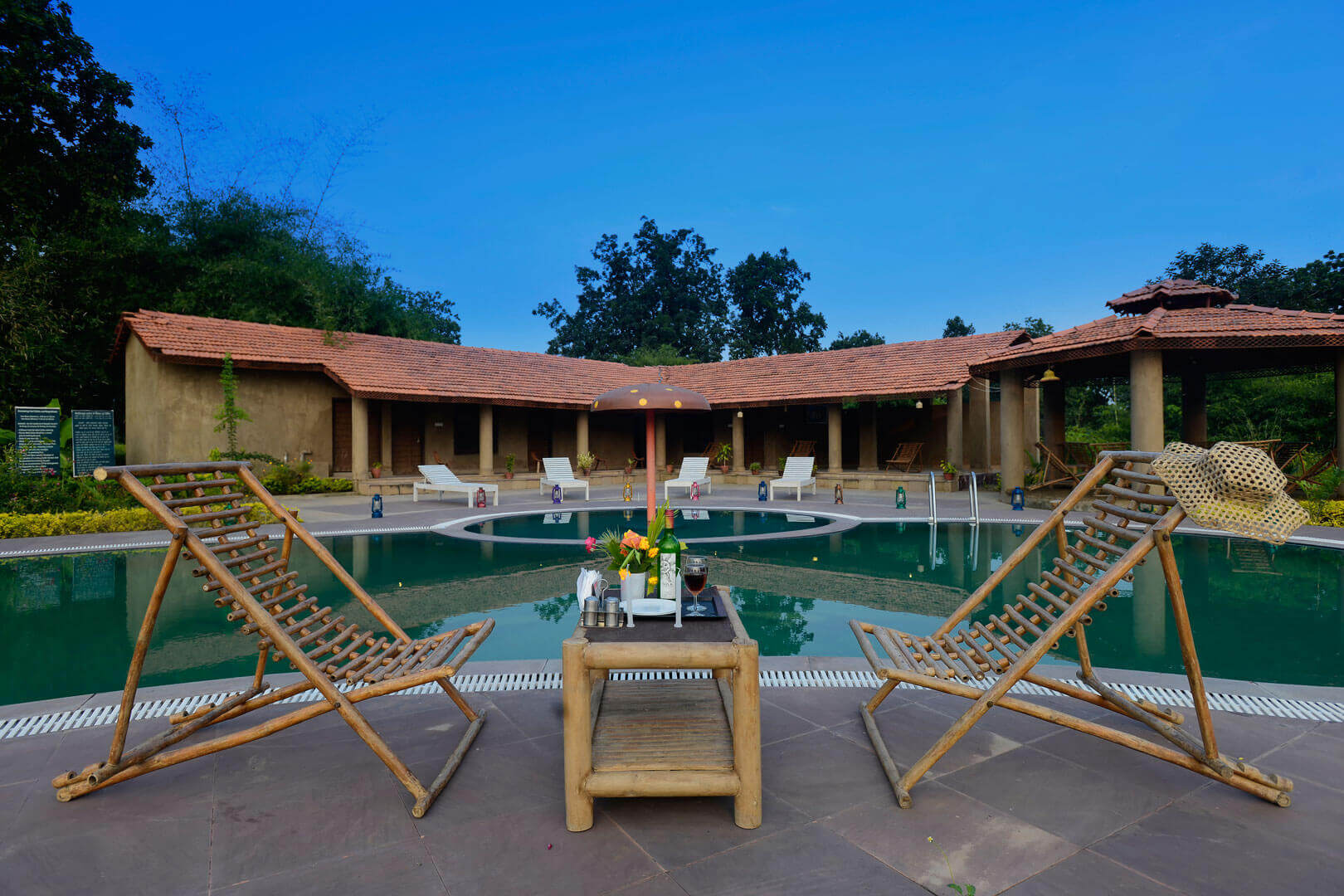
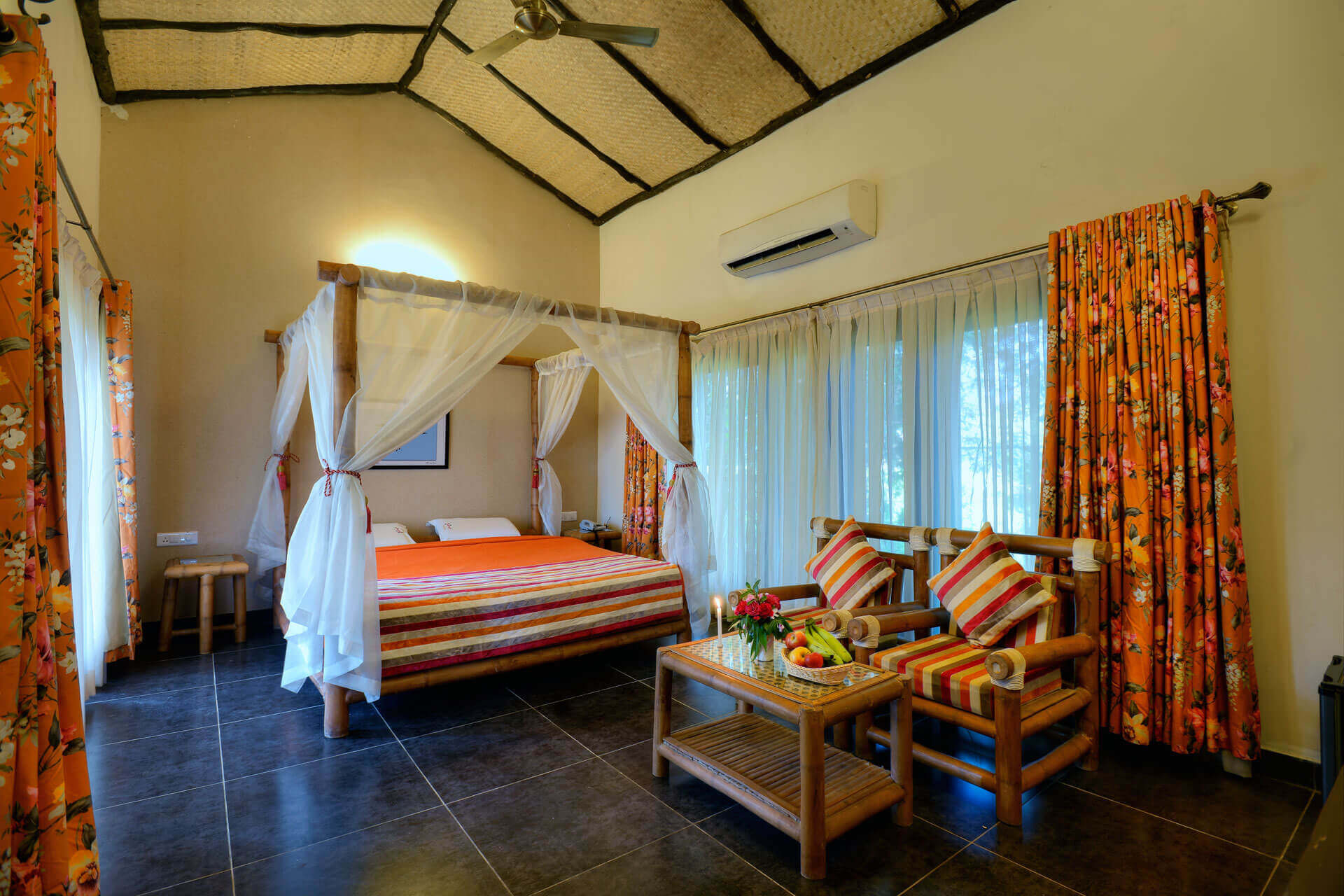
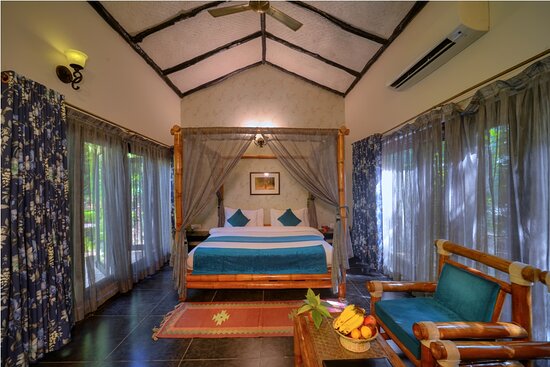
- 3 Nights accommodation at a comfortable wildlife lodge/resort.
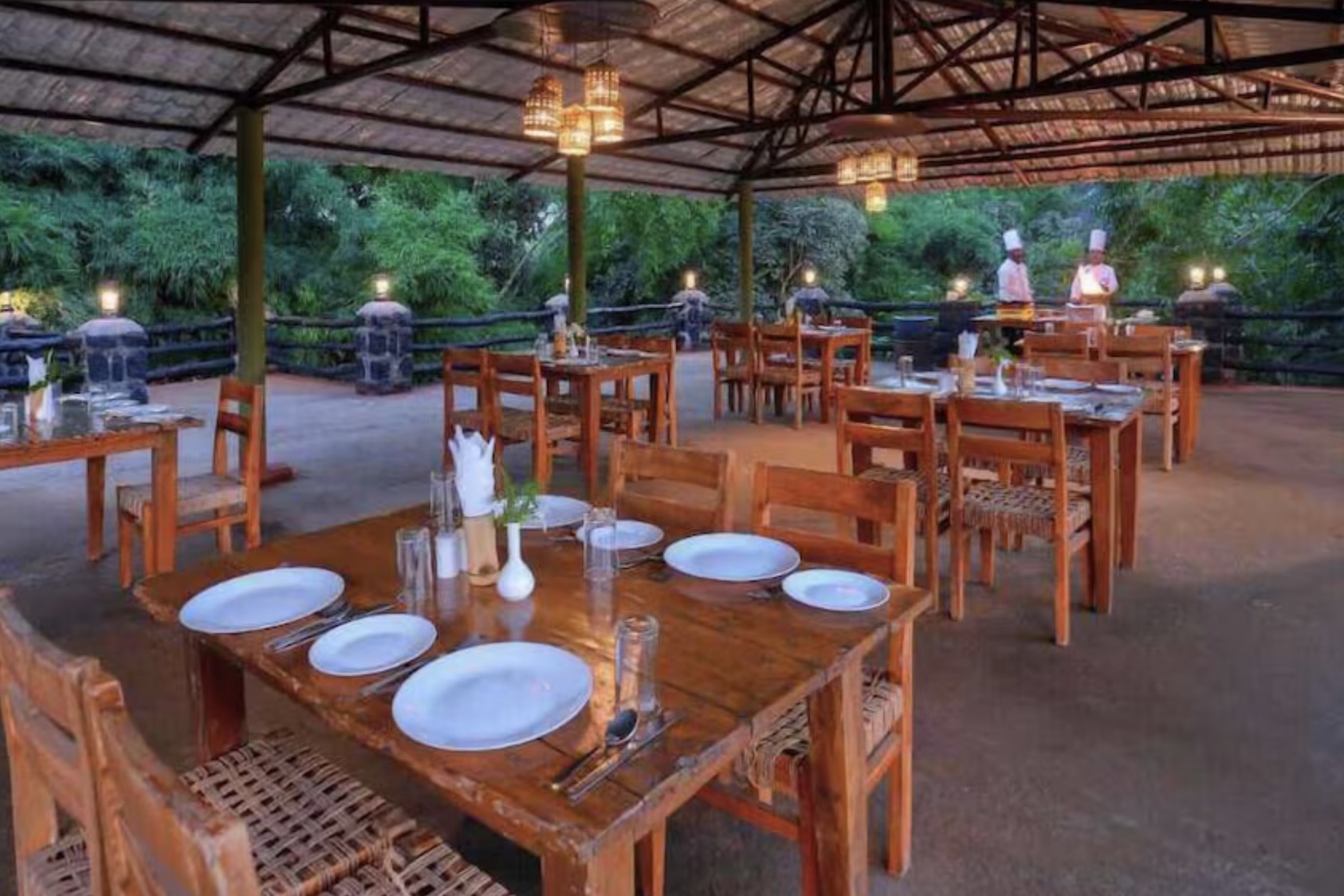
- All meals (Breakfast, Lunch & Dinner).
- 6 Jeep safaris with park permits and entry fees.
- Expert wildlife photography mentoring and on-field guidance.
- Internal transfers between the lodge and safari gates.
- Mineral water during all safaris.
- Photography review sessions and personalized feedback.
Exclusion
- Travel to and from Dudhwa National Park (flight, train, or bus).
- Camera/video fees charged by the Forest Department (if applicable).
- Personal expenses such as laundry, phone calls, beverages, etc.
- Tips, gratuities, and any services not mentioned under "Inclusions."
- Travel insurance and medical expenses.
- Camera equipment, accessories, and batteries.
Travel Date
- 16 May To 19 May 2027
Things to Carry
Camera
Lenses
Memory Cards
Batteries & Charger
Bean bag
Binocular
Winter Jacket
Sun Glasses
Sunscreen
Travelling
Lucknow -By Road
Route
Lucknow to Dudhawa
Start Point
Lucknow
Airport
End Point
Lucknow
Airport
Duration
4 days 3
nights
Equipment Recommendations
Camera Bodies - Full-Frame DSLR or Mirrorless.
These cameras perform well in low light and provide excellent image quality and dynamic range.
Suggested Models:
● Canon EOS R5, R6, R3 or Full frame DSLRs
● Nikon Z9,Z8,Z7 II, Z6 III, or Full frame DSLRs
● Sony A7R IV, A1, A9
Lenses - Telephoto Zoom Lenses (for distant wildlife/Birds)
Essential for shooting animals or birds at a distance while maintaining detail and sharpness.
Suggested Options:
● Canon RF 100-500mm f/4.5-7.1L IS USM.
● Nikon 180-600mm f/5.6-6.3 ED VR.
● Sony 200-600mm f/5.6-6.3 G OSS.
● Sigma or Tamron 150-600mm f/5-6.3 (for Canon, Nikon, and Sony).
Lenses - Prime Telephoto Lenses (for sharper images and faster aperture)
Ideal for low-light conditions or when you need a fast shutter speed.
Suggested Options:
Canon, Nikon, Sony 400mm f/2.8L
Lenses - For landscapes and environmental wildlife shots
For capturing the broader scene or large animals in their environment.
Suggested Options:
● Canon RF 15-35mm f/2.8L IS USM - Nikon Z 14-30mm f/4 S
● Sony 16-35mm f/2.8 GM
● 70-200mm f/2.8
Additional Accessories
1. Beanbags – For stability when using heavy telephoto lenses.
2. Rain Covers – For camera and lens protection in unpredictable weather.
3. Lens Cleaning Kits – To maintain clarity in outdoor environments.
4. Extra Batteries and Memory Cards
Itinerary
Morning:
Arrive at Chaudhary Charan Singh International Airport, Lucknow, on or before 8:00 AM. From the airport,
enjoy a scenic 230 km (approximately 5-hour) drive to Dudhwa National Park. Upon arrival, check in to the
wildlife lodge and attend a welcome orientation covering the park overview, photography ethics, and safari
guidelines.
Afternoon:
Enjoy lunch at the lodge, followed by free time to relax, prepare your camera gear, and get ready for the first
safari.
Evening:
Embark on your first guided safari into the pristine wilderness of Dudhwa National Park. Explore its lush
forests and grasslands while searching for the Royal Bengal Tiger, Asiatic Elephant, Swamp Deer
(Barasingha), Leopard, and an incredible variety of birdlife. Capture wildlife in the beautiful golden evening
light before returning to the lodge for dinner and an overnight stay.
Morning:
Begin the day with an early morning safari, exploring a different zone of Dudhwa National Park. Focus on
tracking the Royal Bengal Tiger, photographing diverse birdlife, and capturing wildlife in the soft golden
morning light. Learn composition techniques, camera settings, and fieldcraft with real-time guidance from your
mentor.
Afternoon:
Return to the lodge for lunch, followed by an interactive image review and post-processing session. Receive
personalized feedback to refine your photography skills and storytelling.
Evening:
Head out for another guided safari, exploring Dudhwa’s rich landscapes and wildlife. Capture dramatic animal
behaviour, scenic forest vistas, and unique wildlife encounters in the warm evening light before returning to the
lodge for dinner and an overnight stay.
Morning:
Set out on an early morning safari to explore the deeper regions of Dudhwa National Park, with opportunities to
photograph the One-horned Rhinoceros, Royal Bengal Tiger, Asiatic Elephant, and other wildlife. Learn
advanced techniques for storytelling, action photography, and capturing natural wildlife behaviour.
Afternoon:
Enjoy lunch at the lodge, followed by a group discussion, Q&A session, and image sharing. Exchange
experiences with fellow participants and receive expert feedback to further enhance your photography skills.
Evening:
Embark on your final evening safari and make the most of Dudhwa’s spectacular golden hour. Capture
dramatic wildlife moments, scenic forest landscapes, and the enchanting atmosphere of the park at dusk
before returning to the lodge for a farewell dinner and overnight stay.
Morning:
Enjoy the final safari of the workshop, with a special focus on birdlife, landscape photography, and capturing
the last memorable moments in Dudhwa National Park. Return to the lodge for breakfast, followed by
check-out.
Departure:
After lunch, begin the return journey to Chaudhary Charan Singh International Airport, Lucknow
(approximately 230 km / 5-hour drive).
Travel Advisory:
Participants are advised to book return flights departing after 6:00 PM on 19th May 2026 to allow sufficient
travel time from Dudhwa to Lucknow Airport.
Learning during Wildlife Photography Workshops
As a wildlife photographer and mentor, I aim to provide a comprehensive, hands-on learning experience during my workshops.
Here’s a detailed breakdown of the key field learning opportunities participants can expect:
Mastering Camera Settings
– Optimal use of manual modes for wildlife photography in varying light conditions.
– Techniques to freeze or blur motion effectively (e.g., capturing birds in flight).
– Balancing ISO, aperture, and shutter speed for sharp and detailed images.
Composition and Framing
– Rule of thirds, leading lines, and creative framing for impactful shots.
– Utilizing foreground, background, and negative space to create depth.
– Approaches to storytelling through composition, focusing on emotions and actions.
Working with Natural Light
– Best practices for shooting during golden and blue hours.
– Managing harsh sunlight, shadows, and contrast in outdoor settings.
Gear Handling and Maintenance
– Tips for safely handling cameras and lenses in rugged terrains.
– Cleaning and protecting equipment from dust, moisture, and unexpected weather.
– Proper use of tripods, monopods, and beanbags for stability.
Photography Essentials
– Techniques for capturing birds in flight or perched in dynamic poses.
– Using high shutter speeds and continuous autofocus for action shots.
– Identifying ideal habitats for rare and exotic bird species.
Post-Processing Insights
– Editing techniques using various apps like Photoshop & Lightroom.
– Understanding RAW image workflows and their importance in wildlife photography.
– Enhancing colors, contrasts, and clarity while maintaining authenticity.
Understanding Animal Behavior
Understanding Animal Behavior
– Learn to anticipate animal movements by observing body language, habitats, and behavioral patterns.
- Tour once booked are non-refundable
- We accept the package cost in inr only
- we have the very best drivers and guides who takes us inside the park
- For reservation you have to pay the advance amount
- Original id cards are must for entry inside the park
- Follow the route instruction given by the forest officials
- Noise producing equipment are not allowed inside the park

- ₹42,999 + 5% GST
Per Participant
Note:
- Cost allocated based on 3 participants in a Zypsy
- Costing is based on the availability of Resorts & tariffs.
- Costing may vary in case there is any mid term price change either by Resort/Park.

- 50% as booking amount
- 50% before 30 days of the Expedition.
Personalized Mentorship
Tailored guidance based on each participant's skill level and gear.
Exclusive Experiences
Access to unique wildlife destinations and rare opportunities for sightings.
Lifelong Learning
Practical skills that extend beyond the workshop into independent ventures
Embark on a visual journey with me, Gyana Mohanty, where every image is a doorway to the extraordinary. Let the magic of the wild unfold before your eyes!
