- Home
- Workshop
- Kenya Workshop
- Tadoba Workshop
- Amboli Creative Workshop
- Munnar Workshop
- Ranthambore Workshop
- Panna workshop
- Kaziranga Workshop
- Pench Workshop
- Mangalajodi Workshop
- Bharatpur Workshop
- Kanha Workshop
- Tal Chhapar Workshop
- Bhigwan Workshop
- Goa Photography Workshop
- Wayanad Workshop
- Satpura Workshop
- Pilibhit Workshop
- About
- Fine Art Prints
- GRM Master Class
- Portfolio
Mangaljodi Photography
Join us on an extraordinary learning tour to Mangaljodi, a journey filled with unparalleled experiences.
Previous
Next
About the Expedition
Key Biodiversity Highlights of Mangalajodi Wetland Expedition.
The Mangalajodi Wetland, located on the northern banks of Chilika Lake in Odisha, is a birdwatcher’s paradise and a biodiversity hotspot.
Here are its key biodiversity highlights :
– Mangalajodi is home to over 200 bird species making it one of the richest wetland bird habitats in India.
– Winter Migrants (November–March):
– Ducks: Northern Pintail, Northern Shoveler, Gadwall, Eurasian Wigeon.
– Geese: Bar-headed Goose, Greylag Goose.
– Waders: Black-tailed Godwit, Common Redshank, Ruff, Marsh Sandpiper.
– Raptors: Western Marsh Harrier, Osprey, Peregrine Falcon.
– Others: Eurasian Coot, Common Teal, and Pallas’s Gull.
– Resident Birds:
– Water Birds: Purple Swamphen, Bronze-winged Jacana, Pheasant-tailed Jacana, and Asian Openbill.
– Kingfishers: Pied Kingfisher, White-throated Kingfisher, Common Kingfisher.
– Herons and Egrets: Grey Heron, Little Egret, Cattle Egret.
– Mangalajodi is a freshwater wetland characterized by a unique ecosystem:
– Aquatic Flora: Hydrophytes like water hyacinths and reeds provide shelter and nesting grounds for birds.
– Aquatic Fauna:
– Fish: Critical for piscivorous birds like cormorants and herons.
– Amphibians and Reptiles: Frogs and snakes form part of the predator-prey chain.
– Breeding Grounds: The wetland serves as a crucial breeding and roosting site for resident species.
– Stopover Habitat: It acts as a wintering ground for migratory birds traveling along the Central Asian Flyway.
– Glossy Ibis: Seen in significant numbers in shallow areas.
– Ruddy Shelduck: A colorful migratory waterfowl.
– Clamorous Reed Warbler: A challenging but rewarding subject for photographers.
– Black-tailed Godwit: A striking long-distance migrant.
Mangalajodi is a conservation success story:
– Once a poaching hotspot, it has been transformed into a community-led conservation area.
– Local villagers play an active role in wetland protection and sustainable tourism.
– Winter (October–March): Best for migratory birds, including waterfowl and raptors.
– Post-Monsoon (July–September): Excellent for resident species and lush wetland landscapes.
Inclusion
- Road Transport from Bhubaneswar to Bhubaneswar Airport/ station.
- All park fees are included
- Post processing workshop.
- On field guidance on framing, Composition & other aspects of photography.
- Presentation on various topics of photography.
- Services of a professional Driver/Guide.
- All Taxes/VAT
- Meals
- Drinking water throughout the Safari
Exclusion
- Flights/Trains(From/to home)
- Tips and Gratitude’s
- Personal expenses
- Extras at the Resort
- Any item not mentioned in the Inclusions
Travel Date
( 2026 )
- 18-22 Jan
- 22-26 Jan
Things to Carry
Camera
Lenses
Memory Cards
Batteries & Charger
Bean bag
Binocular
Winter Jacket
Sun Glasses
Sunscreen
Travelling
Bhubaneswar -By Road
Route
Bhubaneswar to Bhubaneswar
Start Point
Bhubaneswar Airport/Station
End Point
Bhubaneswar Airport/Station
Duration
4 nights 5 days
Equipment recommendations
For Mangalajodi photography Workshops, here are my equipment recommendations for participants to capture stunning images in the wild:
Camera Bodies - Full-Frame DSLR or Mirrorless.
These cameras perform well in low light and provide excellent image quality and dynamic range.
Suggested Models:
- Canon EOS R5, R6, R3 or Full frame DSLRs
- Nikon Z9,Z8,Z7 II, Z6 III, or Full frame DSLRs
- Sony A7R IV, A1, A9
Lenses - Telephoto Zoom Lenses (for distant wildlife/Birds)
Essential for shooting animals or birds at a distance while maintaining detail and sharpness.
Suggested Options:
- Canon RF 100-500mm f/4.5-7.1L IS USM
- Nikon 180-600mm f/5.6-6.3 ED VR
- Sony 200-600mm f/5.6-6.3 G OSS
- Sigma or Tamron 150-600mm f/5-6.3 (for Canon, Nikon, and Sony)
Lenses - Prime Telephoto Lenses (for sharper images and faster aperture)
Ideal for low-light conditions or when you need a fast shutter speed.
Suggested Options:
- Canon, Nikon, Sony 600mm f/4.8L
Lenses - For landscapes and environmental wildlife shots
For capturing the broader scene or large animals in their environment.
Suggested Options:
- Canon RF 15-35mm f/2.8L IS USM
- Nikon Z 14-30mm f/4 S
- Sony 16-35mm f/2.8 GM
- 70-200mm f/2.8
Additional Accessories
1. Beanbags – For stability when using heavy telephoto lenses.
2. Rain Covers – For camera and lens protection in unpredictable weather.
3. Lens Cleaning Kits – To maintain clarity in outdoor environments.
4. Extra Batteries and Memory Cards
Itinerary
– Arrival and Orientation
– Arrival:
– Reach Bhubaneswar Airport/Railway Station by 10am and transfer to Mangalajodi (approx. 2 hours).
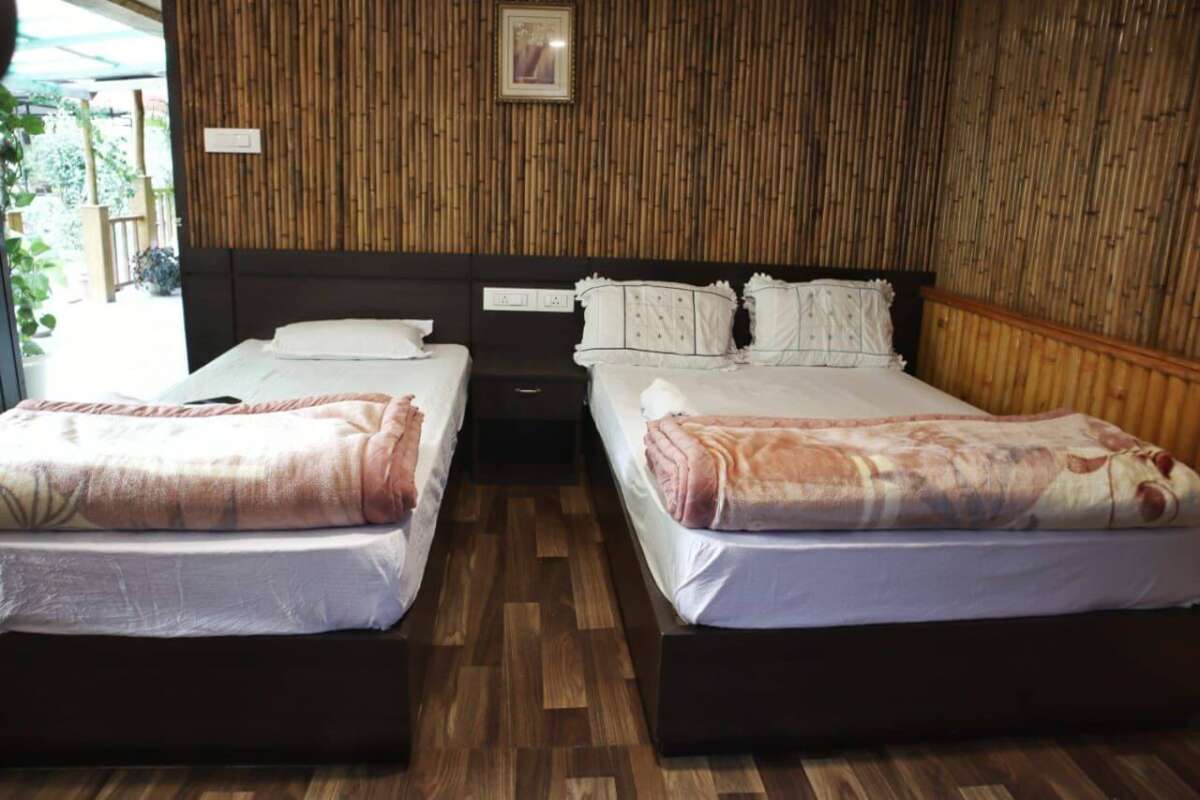
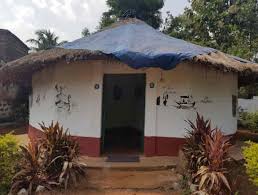
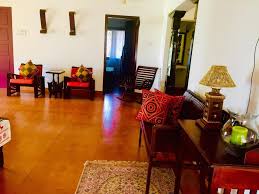
– Check-in: Settle into the Home Stay near the wetland.
– Evening Orientation Session:
– Overview of Mangalajodi’s birdlife and photographic opportunities.
– Tips for photographing birds in wetland ecosystems: lighting, composition, and settings.
– Gear setup and preparation.
Evening Session (Session 1):
– Boat safari in soft evening light.
– Target species: Glossy Ibis, waders, and kingfishers.
– Focus: Reflections, silhouettes, and motion blur techniques.
– Dinner: Group discussion and critique of the day’s photographs.
– Overnight Stay: At the Home Stay.
– Morning and Evening Photography Sessions
– Early Morning Session (Session 2):
– Boat safari focusing on wetland birds at sunrise.
– Target species: Purple Swamphens, Lesser Whistling Ducks, and herons.
– Focus: Golden hour lighting and capturing bird behaviors.
– Breakfast: Return to the lodge for breakfast.
– Midday Break: Relax and review the morning’s captures.
– Evening Session (Session 3):
– Boat safari in soft evening light.
– Target species: Glossy Ibis, waders, and kingfishers.
– Focus: Reflections, silhouettes, and motion blur techniques.
– Dinner: Group discussion and critique of the day’s photographs.
– Overnight Stay: At the lodge.
– Advanced Bird Photography Techniques
– Early Morning Session (Session 4):
– Boat safari to explore new areas of the wetland.
– Target species: Bar-headed Geese, teals, and lapwings.
– Focus: Bird-in-flight shots and capturing feeding behaviors.
– Breakfast: Return to the lodge.
– Midday Break:
– Post-processing session: techniques for editing bird photographs.
– Evening Session (Session 5):
– Boat safari at golden hour.
– Target species: Egrets, storks, and other large waders.
– Focus: Dynamic compositions with birds in their environment.
– Dinner: Share tips for improving composition and storytelling.
– Overnight Stay: At the lodge.
– Diverse Perspectives and Techniques
– Early Morning Session (Session 6):
– Boat safari with focus on large congregations of birds.
– Target species: Northern Shovelers, cormorants, and jacanas.
– Focus: Capturing interaction and symmetry in bird groups.
– Breakfast: Return to the lodge.
– Midday Break:
– Hands-on mentoring for camera settings and post-processing insights.
– Evening Session (Session 7):
– Boat safari to revisit prime photography spots.
– Target species: Raptors like marsh harriers, pelicans, and storks.
– Focus: Capturing rare sightings and dramatic light transitions.
– Dinner: Farewell group discussion on individual progress and best images.
– Overnight Stay: At the lodge.
– Final Photography Session and Departure
– Early Morning Session (Session 8)
– Last chance to capture sunrise and morning activity in the wetland.
– Target species: Early risers like ducks, geese, and shorebirds.
– Focus: Action shots and intimate portraits.
– Breakfast: Return to the lodge.
– Departure: Transfer to Bhubaneswar for onward journey.
Learning during Wildlife Photography Workshops
As a wildlife photographer and mentor, I aim to provide a comprehensive, hands-on learning experience during my workshops.
Here’s a detailed breakdown of the key field learning opportunities participants can expect:
Mastering Camera Settings
– Optimal use of manual modes for wildlife photography in varying light conditions.
– Techniques to freeze or blur motion effectively (e.g., capturing birds in flight).
– Balancing ISO, aperture, and shutter speed for sharp and detailed images.
Composition and Framing
– Rule of thirds, leading lines, and creative framing for impactful shots.
– Utilizing foreground, background, and negative space to create depth.
– Approaches to storytelling through composition, focusing on emotions and actions.
Working with Natural Light
– Best practices for shooting during golden and blue hours.
– Managing harsh sunlight, shadows, and contrast in outdoor settings.
Gear Handling and Maintenance
– Tips for safely handling cameras and lenses in rugged terrains.
– Cleaning and protecting equipment from dust, moisture, and unexpected weather.
– Proper use of tripods, monopods, and beanbags for stability.
Photography Essentials
– Techniques for capturing birds in flight or perched in dynamic poses.
– Using high shutter speeds and continuous autofocus for action shots.
– Identifying ideal habitats for rare and exotic bird species.
Post-Processing Insights
– Editing techniques using various apps like Photoshop & Lightroom.
– Understanding RAW image workflows and their importance in wildlife photography.
– Enhancing colors, contrasts, and clarity while maintaining authenticity.
Understanding Animal Behavior
– Learn to anticipate animal movements by observing body language, habitats, and behavioral patterns.

Important Points
- Tours are non-refundable once booked
- Payment in USD (Abroad Workshop) & INR (India Workshop) only, please
- Our expert drivers and guides will take care of you inside the park
- Advance payment required to reserve spot
- Don't forget original ID cards for entry
- Follow forest officials' route instructions
- Keep noise levels down, no loud equipment allowed
Workshop Cost
- 29,999 + 5% GST
Per Participants
Note:
- Cost allocated based on 2 participants in a boat
- Costing is based on the availability of Resorts & tariffs.
- Costing may vary in case there is any mid term price change either by Resort/Park.

- 50% as booking amount
- 50% before 30 days of the Expedition.
Why Choose My Workshops
Personalized Mentorship
Tailored guidance based on each participant's skill level and gear.
Exclusive Experiences
Access to unique wildlife destinations and rare opportunities for sightings.
Lifelong Learning
Practical skills that extend beyond the workshop into independent ventures
Now accepting bookings
request a quote
Step into the untouched beauty of Masai Mara, where every sunrise paints a canvas of breathtaking scenes.
As the golden sun graces the vast savannah, witness the iconic acacia trees silhouetted against the dawn. The sweeping grasslands become a stage for the majestic wildlife, from the graceful giraffes to the powerful lions. The Mara River flows serenely, providing a lifeline to the thriving ecosystem, while dotted plains offer a mesmerizing panorama of nature’s grandeur.
Private Lessons
In-Studio and Virtual Private Lessons are the best way to improve your dancing skills in the shortest period of time. Work at your own pace and receive personalized attention from our dedicated instructors.
Instructors
Every year, 810 Dance Floor Studio brings the world’s most relevant talents and choreographers to mentor our students.
Students Shout Out
“ I’m a total beginner dancer and I felt immediately like part of the dance family.”


Studio A
Studio Size: 42ft x 21ft
Amenities: Air Conditioning, Wi-Fi, Sound System, Dressing Room, Kitchen, Toilets
Embark on a visual journey with me, Gyana Mohanty, where every image is a doorway to the extraordinary. Let the magic of the wild unfold before your eyes!