Bandhavgarh Photography
Join us on an extraordinary learning tour to Tanzania ( Calving Season ), a journey filled with unparalleled experiences.
Previous
Next
Previous
Next
About the Expedition
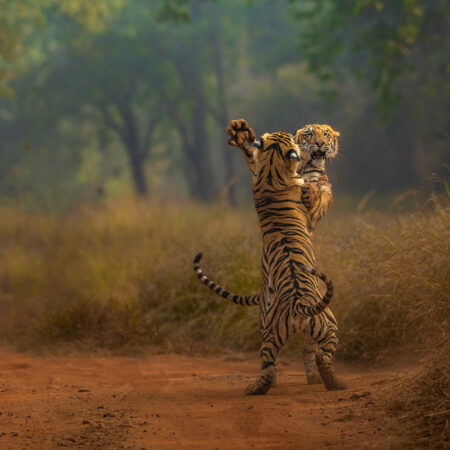
Key Biodiversity Highlights of Bandhavgarh
Welcome to Bandhavgarh—India’s crown jewel of wildlife photography. Known for its extraordinary Bengal tiger sightings and breathtaking natural beauty, this former royal hunting ground of the Maharajas of Rewa now thrives as a sanctuary for wildlife lovers and photographers from around the world. From lush Sal forests and sprawling meadows to rugged hills, every corner of Bandhavgarh tells a story. With leopards, sloth bears, deer, wild boars, and over 250 bird species, it offers endless opportunities to capture the wild at its most magnificent.
Bandhavgarh is renowned for having one of the highest densities of Royal Bengal Tigers in India. Other
prominent mammals include leopards, sloth bears, gaur, sambar, chital, nilgai, wild boar, and dhole (Indian wild
dog).
With over 250 recorded bird species, Bandhavgarh is a rewarding destination for birdwatchers. Notable
sightings include crested serpent eagle, changeable hawk-eagle, white-rumped vulture, Indian pitta, Asian
paradise flycatcher, and a variety of owls, woodpeckers, and migratory birds.
The park supports diverse reptile life such as Indian python, cobra, krait, monitor lizard, and mugger
crocodile (in water bodies). Amphibians, including frogs and toads, thrive during the monsoon season,
contributing to the park’s ecological balance.
Bandhavgarh lies within the tropical moist and dry deciduous forest zone, dominated by Sal (Shorea
robusta). Bamboo, grasslands, climbers, and medicinal plants form an important part of the forest
structure and support its rich wildlife.
In addition to tigers, Bandhavgarh is home to elusive species such as the Indian wolf, four-horned
antelope (Chousingha), lesser adjutant stork, and rare vultures. The park is also known for individual
tigers with distinctive markings and well-documented lineages.
The park features a mosaic of sal forests, open meadows, rocky hills, steep cliffs, and perennial
streams. This varied terrain creates excellent wildlife habitats and provides dramatic natural backdrops
for observation and photography.
As part of Project Tiger, Bandhavgarh plays a critical role in tiger conservation and prey-base
management. Strict protection measures, habitat restoration, and regulated tourism have contributed
to its long-term ecological success.
Bandhavgarh is easily accessible via Umaria (nearest railway station) and nearby airports such as
Jabalpur and Khajuraho. Well-managed safari zones, open landscapes, and high wildlife visibility make
it one of India’s top destinations for wildlife photography, especially for tigers and birds.
At the heart of the park lies the ancient Bandhavgarh Fort, believed to be over 2,000 years old. The
region is rich in mythology, tribal heritage, and archaeological remains, blending natural history with
cultural depth.
Tour Inclusion
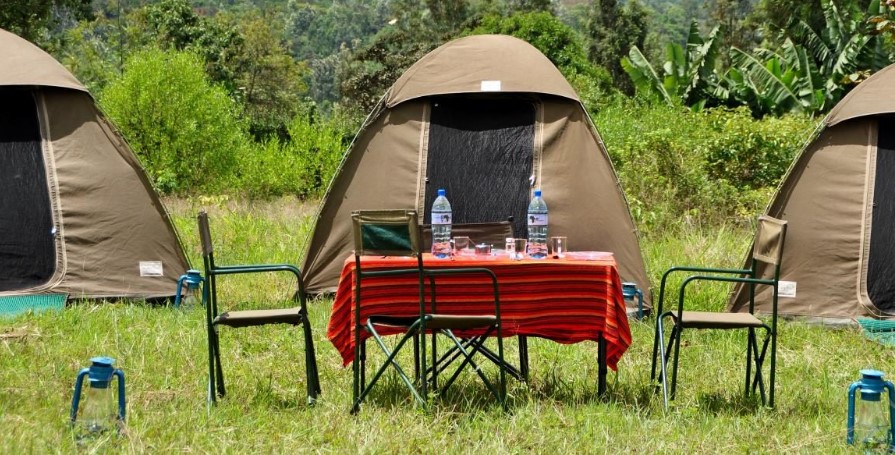
- Accommodation for 3 Nights / 4 Days
- All meals (Breakfast, Lunch, Dinner, Tea/Coffee)
- 6 Exclusive Jeep Safaris
- Photography guidance and mentorship throughout
- Park entry fees and permits
- Local transfers from/to Bandhavgarh Lodge
Exclusion
- Airfare / Train / Road travel to Bandhavgarh
- Camera fee (if applicable by park authorities)
- Beverages, laundry, and personal expenses
- Travel insurance and medical expenses
- Tips and gratuities
Travel Date
- 23 - 25 April
Things to Carry
Camera
Lenses
Memory Cards
Batteries & Charger
Bean bag
Binocular
Winter Jacket
Valid Passport
Flight Tickets & Booking Receipts
Sun Glasses
Visa
Emergency Contact List
Sunscreen
Vaccination Certificate
ID Proof & Passport Photocopies
Travelling
Bandhavgarh - By Road
Route
Jabalpur to Bandhavgarh
Start Point
Jabalpur
Airport
End Point
Jabalpur
Airport
Duration
3 Nights /
4 Days
Equipment recommendations
For Munnar photography Workshops, here are my equipment recommendations for participants to capture
stunning images in the wild:
Camera Bodies
Camera Body Participants should bring a modern Full frame mirrorless camera designed for wildlife photography. (Nikon Z9 or Z8, Canon R3 or R5) Recommended features Fast and reliable autofocus system with animal or subject tracking Continuous shooting speed of 10–15 frames per second or faster Good high-ISO performance for early morning and late evening light Large image buffer for long bursts Weather-sealed body for dusty safari environments Recommendation If possible, bring two camera bodies. One body can be paired with a long telephoto lens for wildlife and birds, while the second body can be used with a shorter zoom lens for closer animals or environmental shots. This reduces lens changes in dusty safari conditions.
Telephoto Lens (Essential for Wildlife and Birds)
A long telephoto lens is the most important lens for a Tanzania safari. Many animals are photographed from a vehicle at varying distances. Recommended focal length 100–400 mm – versatile lens for many wildlife encounters 200–600 mm – excellent for birds and distant animals 300 mm / 400 mm prime lenses – preferred by advanced wildlife photographers Key advantages Allows photographers to capture animals without disturbing them Ideal for birds perched in trees or flying Provides strong subject isolation and background blur Telephoto lenses are especially useful when photographing animals such as the Cheetah, African buffalo, and distant predators on open plains.
Standard Zoom Lens (Highly Recommended)
A standard zoom lens is useful for animals that approach the safari vehicle and for environmental wildlife images. Recommended focal length 24–70 mm 24–105 mm Uses Habitat shots showing animals in their environment Groups of animals Landscapes and storytelling images Camp and travel photography Medium Telephoto Lens (Optional but Useful) A medium telephoto zoom is useful when animals come close to the vehicle. Recommended focal length 70–200 mm This range is ideal for: Animal portraits Behavioural photography Larger mammals approaching the vehicle Lens for Birds in Flight Bird photography often requires fast autofocus and longer focal lengths. Recommended focal length 400–600 mm This range helps capture: Raptors Water birds Fast-moving birds in flight Many of Tanzania’s parks are excellent for birdlife including species like the Lilac-breasted roller and the African fish eagle.
Support Equipment
Although much photography is done from safari vehicles, support gear can still be useful. Recommended equipment Bean bag for stabilizing long lenses on vehicle windows Monopod for heavy lenses Lightweight tripod for landscapes or camp photography A bean bag is one of the most useful tools for stabilizing long telephoto lenses during game drives.
Essential Accessories
Participants should also carry the following accessories: Extra camera batteries Multiple high-capacity memory cards Camera cleaning kit (important for dusty environments) Lens cloths and blower Camera backpack Dust protection covers Safari environments can be dusty, so regular cleaning and protection of equipment is recommended.
● Arrival at Jabalpur and scenic drive to Bandhavgarh
● Check-in, orientation, and introduction to the workshop team
● Pre-safari briefing on camera setup & safety
● First thrilling evening jungle safari
● Dinner, group discussion, and overnight stay
● Early morning safari with focus on tiger tracking & golden-light photography
● Breakfast and guided image review session
● Afternoon learning on wildlife behavior & advanced techniques
● Evening safari in a different park zone
● Dinner, discussions, and overnight stay
● Morning safari focusing on behavior, birdlife & storytelling frames
● Breakfast followed by photography review
● Post-processing & storytelling workshop session
● Evening safari capturing golden-hour wilderness
● Dinner, reflections, and overnight stay
● Final morning safari and photography refinement
● Breakfast & closing review session
● Farewell, check-out, and departure
● Recommended return flights after 4:00 PM
Learning during Wildlife Photography Workshops
As a wildlife photographer and mentor, I aim to provide a comprehensive, hands-on learning experience during my workshops.
Here’s a detailed breakdown of the key field learning opportunities participants can expect:
Mastering Camera Settings
– Optimal use of manual modes for wildlife photography in varying light conditions.
– Techniques to freeze or blur motion effectively (e.g., capturing birds in flight).
– Balancing ISO, aperture, and shutter speed for sharp and detailed images.
Composition and Framing
– Rule of thirds, leading lines, and creative framing for impactful shots.
– Utilizing foreground, background, and negative space to create depth.
– Approaches to storytelling through composition, focusing on emotions and actions.
Working with Natural Light
– Best practices for shooting during golden and blue hours.
– Managing harsh sunlight, shadows, and contrast in outdoor settings.
Gear Handling and Maintenance
– Tips for safely handling cameras and lenses in rugged terrains.
– Cleaning and protecting equipment from dust, moisture, and unexpected weather.
– Proper use of tripods, monopods, and beanbags for stability.
Photography Essentials
– Techniques for capturing birds in flight or perched in dynamic poses.
– Using high shutter speeds and continuous autofocus for action shots.
– Identifying ideal habitats for rare and exotic bird species.
Post-Processing Insights
– Editing techniques using various apps like Photoshop & Lightroom.
– Understanding RAW image workflows and their importance in wildlife photography.
– Enhancing colors, contrasts, and clarity while maintaining authenticity.
Understanding Animal Behavior
Understanding Animal Behavior
– Learn to anticipate animal movements by observing body language, habitats, and behavioral patterns.
- Tours are non-refundable once booked
- Payment in USD only, please
- Our expert drivers and guides will take care of you inside the park
- Advance payment required to reserve spot
- Don't forget original ID cards for entry
- Follow forest officials' route instructions
- Keep noise levels down, no loud equipment allowed
Workshop Cost
- ₹49,999 + 5%
GST Per Participant
Note:
- Cost allocated based on 4 participants in a Zypsy
- Costing is based on the availability of Resorts & tariffs.
- Costing may vary in case there is any mid term price change either by Resort/Park.

- 50% as booking amount
- 50% before 30 days of the Expedition.
Personalized Mentorship
Tailored guidance based on each participant's skill level and gear.
Exclusive Experiences
Access to unique wildlife destinations and rare opportunities for sightings.
Lifelong Learning
Practical skills that extend beyond the workshop into independent ventures